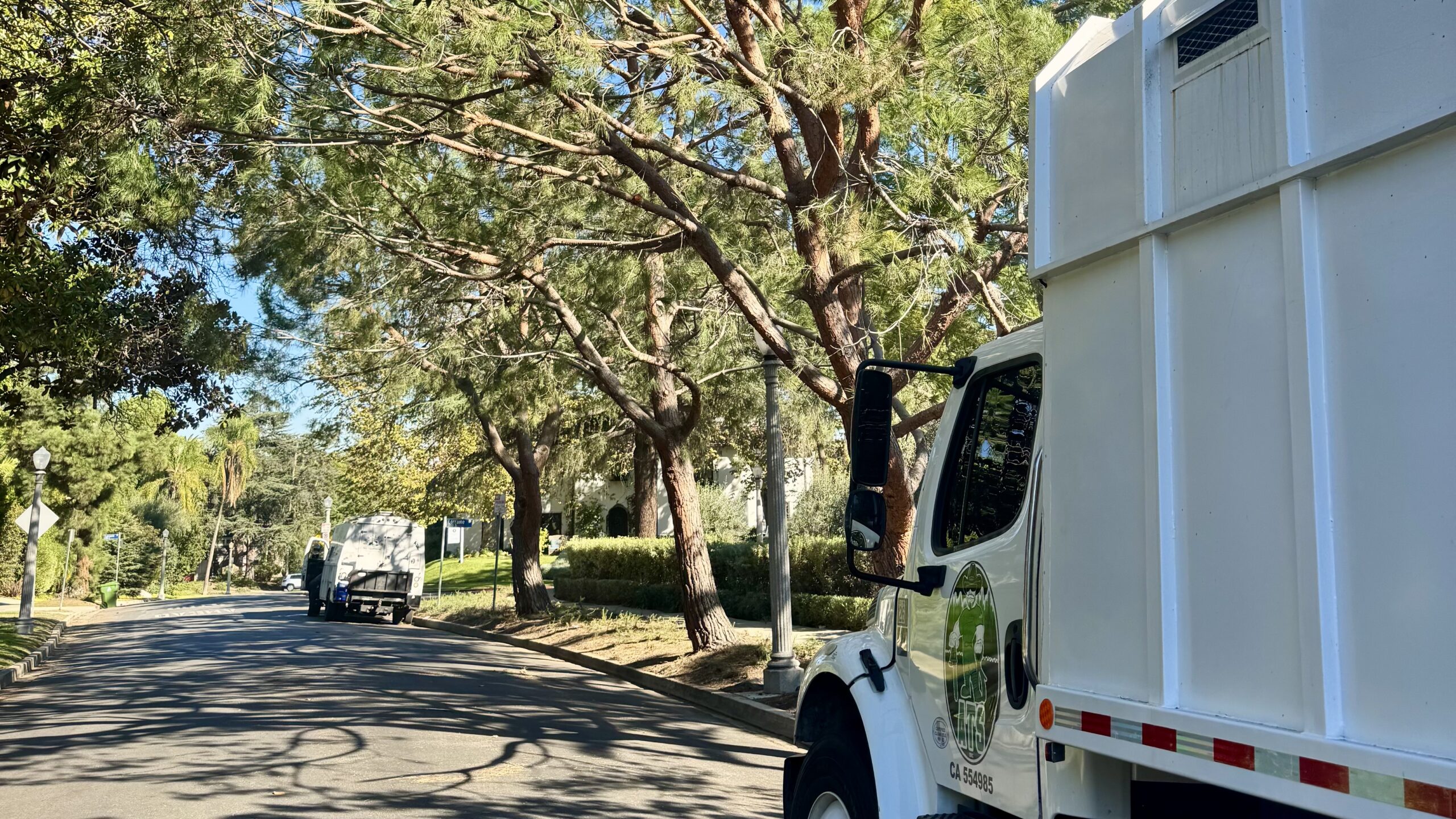
Tree trimming is one of the most common services homeowners consider each year, but there isn’t a single season that applies to every tree. In Los Angeles, tree trimming is often performed throughout the year, with timing based more on tree condition, safety needs, and weather patterns than on a specific season.
Understanding when and why trees are trimmed helps homeowners make informed decisions while keeping trees healthy and properties safe.
Why Timing Matters for Tree Trimming
Tree trimming isn’t only about appearance. The timing of a trim affects how a tree responds, recovers, and continues to grow.
Proper timing helps:
- Reduce stress on the tree
- Support healthy growth patterns
- Minimize the risk of disease or pests
- Improve structural balance and safety
Because Southern California does not experience harsh winters, timing is influenced less by temperature and more by tree type, rainfall, and overall condition.
Tree Type Plays a Role in Trimming Timing
Different trees respond differently to pruning, which is why trimming schedules vary.
Deciduous trees such as oaks, maples, and liquidambar often benefit from structural trimming when growth is slower. This makes it easier to identify branch structure and remove dead or crossing limbs.
Evergreen trees do not follow the same dormancy cycle. These trees can often be trimmed throughout the year, with care taken to avoid excessive removal during extreme heat or drought.
Flowering trees should be trimmed based on their bloom cycle. Pruning too early can reduce flowering, while trimming after blooms fade helps preserve future growth.
Palms are trimmed selectively and only when necessary. Timing for palms is based on safety and maintenance needs rather than a specific season.
Seasonal Considerations in Los Angeles
Late Winter to Early Spring
Late winter and early spring are commonly used for structural pruning on many tree types. During this time:
- Trees are preparing for new growth
- Winter rains may provide adequate soil moisture
- Structural issues are easier to identify
This makes it a practical time for certain trimming goals, but it is not the only appropriate time of year.
Summer and Fall
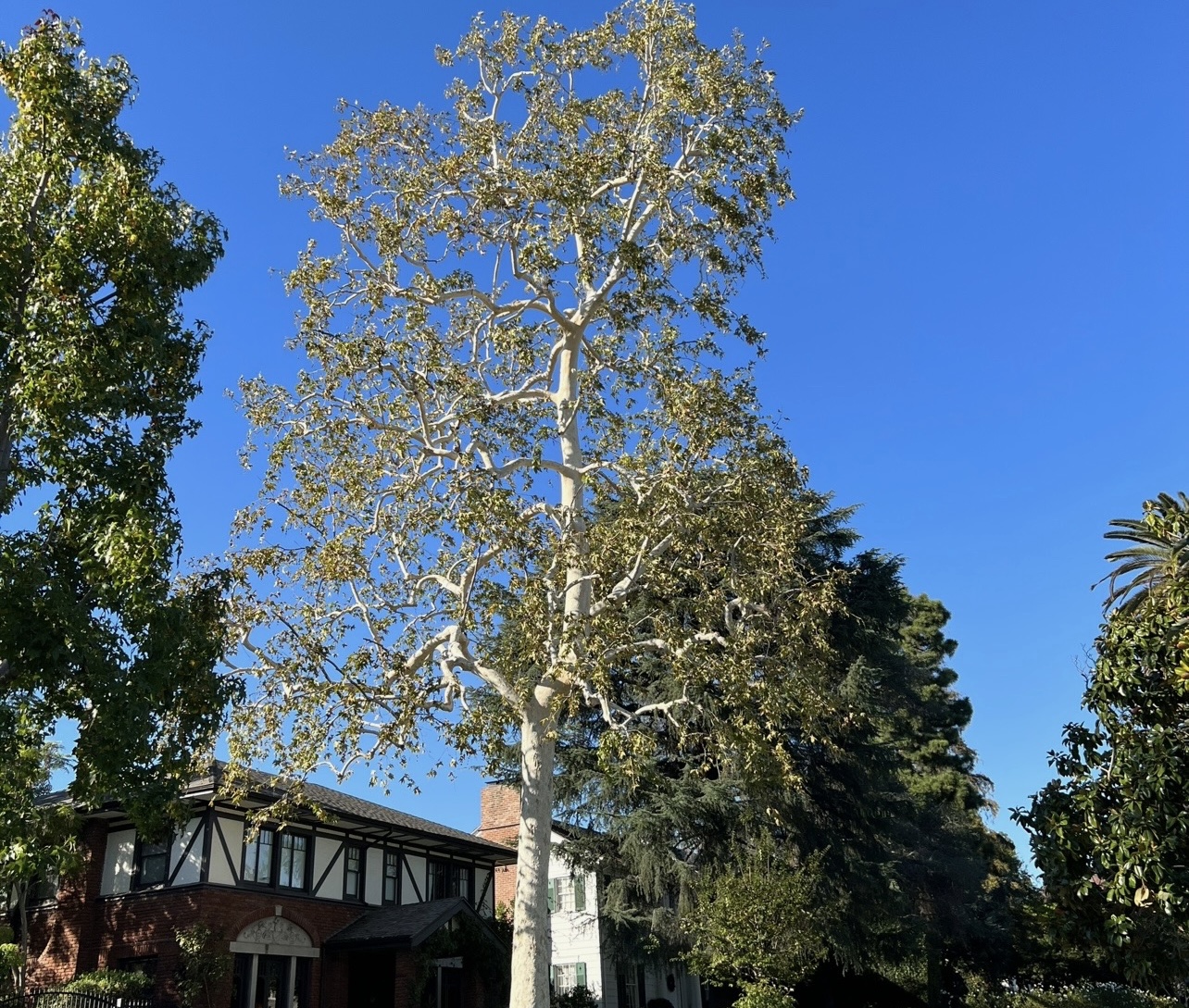
Tree trimming continues through summer and falls in Los Angeles, especially for:
- Safety-related pruning
- Clearance near homes, driveways, and utilities
- Managing overgrowth
- Preparing trees ahead of storm season
Because trees in Southern California remain active most of the year, trimming outside of winter is often necessary and appropriate.
Tree Trimming Happens Year-Round in Los Angeles
Unlike regions with cold winters, Los Angeles allows for tree trimming during most months of the year. Many services including deadwood removal, clearance pruning, and safety trimming are performed year-round based on need rather than season.
If a tree poses a safety concern, timing becomes less important than addressing the issue promptly.
Signs It May Be Time to Trim Your Trees
Homeowners should consider trimming when they notice:
- Dead, cracked, or hanging branches
- Limbs rubbing against structures or roofs
- Dense canopies blocking light or airflow
- Unbalanced or leaning growth
- Branches interfering with power lines or access areas
When these conditions are present, trimming should not be delayed based solely on season.
Why Professional Guidance Matters
Proper timing depends on more than the calendar. Tree species, health, structure, and environmental conditions all play a role. Professional evaluation helps determine whether trimming should happen now or be scheduled later.
Trimming at the wrong time or removing too much growth can lead to stress, poor regrowth, or structural problems. Professional guidance ensures trimming supports both safety and long-term tree health.